جاري التحميل...
معرض أعمالنا
نماذج مختارة من أعمالنا الأكاديمية والبرمجية تستعرض جودة واحترافية خدماتنا.
 أكاديمي
بحث تخرج - إدارة الأعمال
بحث تخرج متكامل في تخصص إدارة الأعمال مع تنسيق أكاديمي كامل ونسبة استلال 5%
 أكاديمي
رسالة ماجستير - علوم الحاسوب
رسالة ماجستير شاملة تتضمن بناء نظام برمجي وتحليل إحصائي SPSS
 برمجي
برمجينظام إدارة المكتبات
نظام متكامل لإدارة المكتبات باستخدام C# .NET وقاعدة بيانات SQL Server
 برمجي
برمجيموقع تجارة إلكترونية
منصة تجارة إلكترونية متكاملة بتصميم عصري ولوحة تحكم إدارية
 أكاديمي
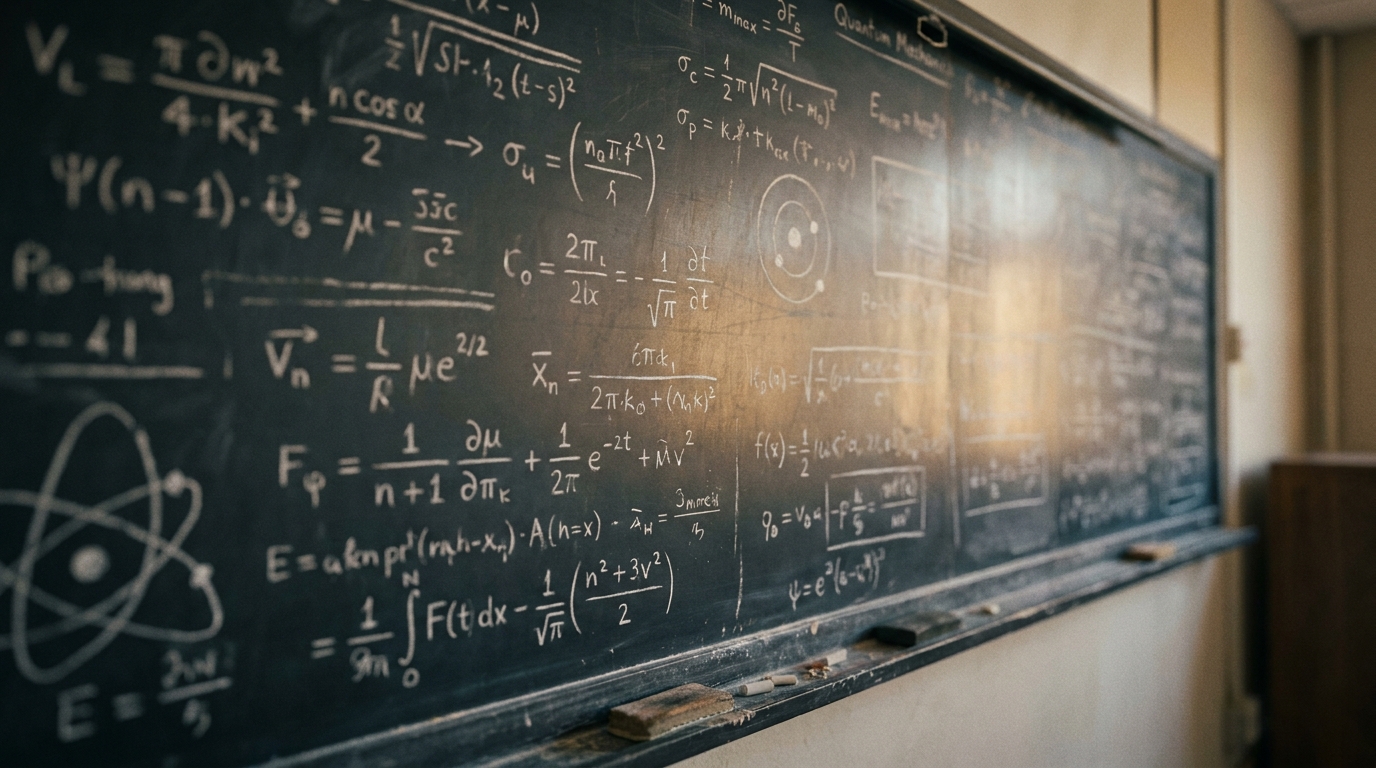
بحث تفرغ - فيزياء
This study investigates the electro-optical enhancements induced by the dispersion of ferroelectric barium titanate (BaTiO3) nanoparticles within a side-chain liquid crystalline polyacrylate matrix maintained at a constant molecular weight of . To establish definitive structure-property correlations, the nanocomposites were formulated across five distinct BaTiO3 additive ratios and rigorously characterized utilizing X-ray scattering and infrared dichroism to determine the orientational order parameters. Thermal and microstructural analyses confirmed that all synthesized polymeric formulations successfully exhibited a stable nematic mesophase. Empirical evaluations revealed that escalating the ferroelectric nanoparticle concentration actively increased the packing density of the mesogenic pendant groups associated with the primary polymer chain. This structural densification substantially magnified the localized dipole torque contribution acting strictly parallel to the longitudinal axis of the mesogenous units. Consequently, this microscale dipole amplification generated a profound improvement in the macroscopic dielectric anisotropy of the composite network. Electro-optical measurements demonstrated that this engineered anisotropy directly translated into a significant decrease in the required operation voltage and remarkably accelerated optical response dynamics, minimizing both the activation () and relaxation () switching times. Furthermore, spectroscopic tracking of the highly polar cyano (CNN) absorption band established that the coefficient of the directional arrangement remains fundamentally temperature-dependent. The convergence of lowered energetic thresholds, rapid field-induced reorientation, and robust thermodynamic stability definitively proves the exceptional viability and efficiency of these novel BaTiO3-doped polyacrylate nanocomposites for integration into advanced optoelectronic applications
 أكاديمي
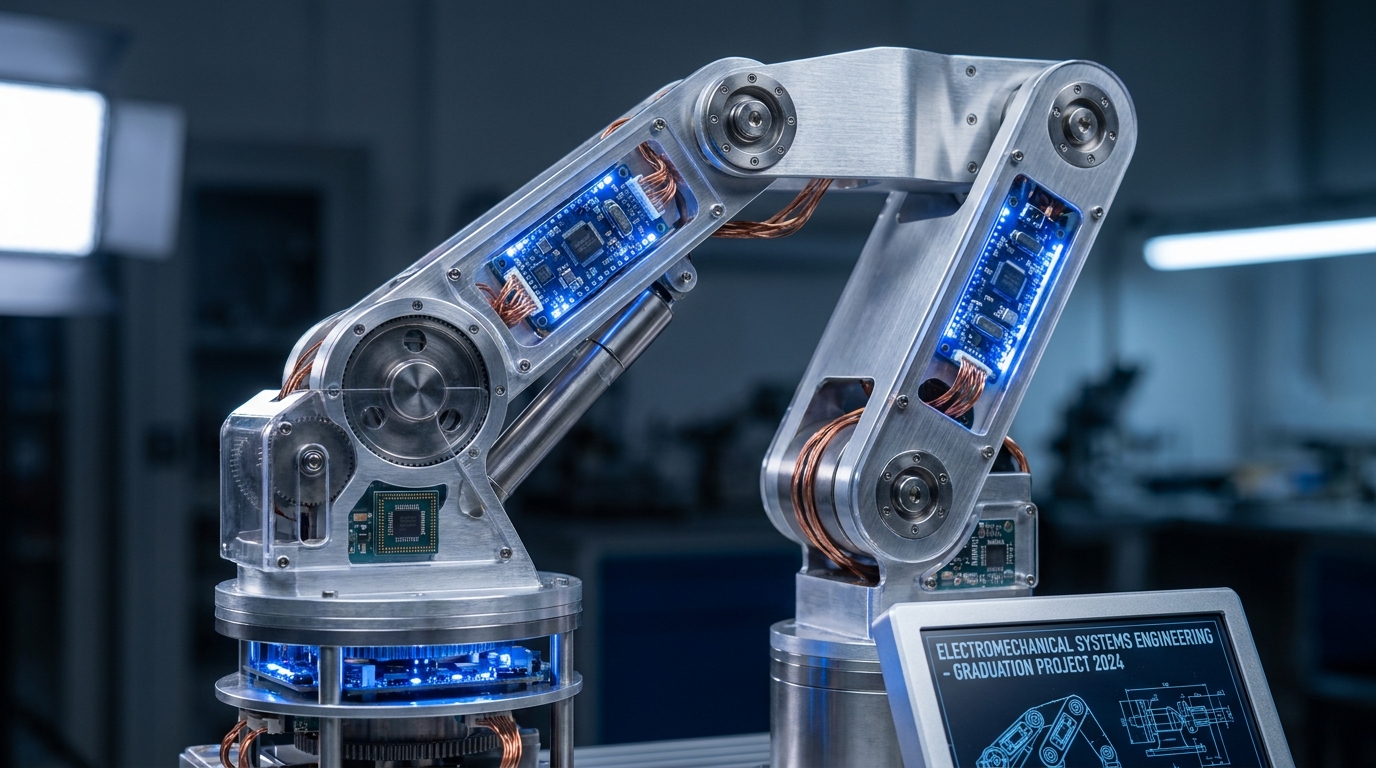
بحث تخرج - Electromechanical Systems Engineering
The proliferation of autonomous wireless sensor networks and the Internet of Things (IoT) requires sustainable alternatives to finite and environmentally hazardous electrochemical batteries. Piezoelectric energy harvesting (PEH) offers a promising solution by scavenging ambient kinetic energy; however, practical deployment is often hindered by frequency mismatches and electrical conversion inefficiencies. This study conceptualizes, fabricates, and empirically evaluates a physical PEH prototype integrated into a scaled two-lane smart roadway model. Piezoelectric sensors were embedded beneath designated pressure pads to capture mechanical stress from simulated vehicular traffic. The generated alternating current (AC) was rectified and conditioned via a power management module (TP4056) to safely charge a 3.7V, 1200mAh 18650 lithium-ion battery, while real-time voltage metrics were continuously acquired using an Arduino Uno microcontroller. Experimental testing under incremental mechanical loads of 500N, 700N, 900N, 1000N, and 1200N demonstrated a direct correlation with the electrical output, yielding transient potentials of 1V, 2V, 3V, 4V, and a peak of 5V, respectively . The conditioned energy successfully charged the battery reservoir and was systematically discharged to illuminate an array of miniature LED streetlights. These empirical results definitively validate the electromechanical viability of scavenging erratic, low-grade mechanical oscillations from transit environments to autonomously power decentralized municipal infrastructure.
 أكاديمي
بحث تخرج - Anesthesia Techniques
Perioperative hyperglycemia represents a severe metabolic crisis that fundamentally disrupts physiological homeostasis during general anesthesia. The combination of surgical tissue trauma and anesthetic agents triggers a profound sympathoadrenal stress response, which aggressively exacerbates insulin resistance and compromises cardiovascular autonomic reserves. This study aimed to critically evaluate the direct impact of elevated blood glucose levels on intraoperative hemodynamic stability and post-anesthetic recovery profiles, specifically focusing on neuromuscular blockade duration and immediate postoperative morbidity. A prospective observational cohort study was conducted on adult patients undergoing elective general anesthesia, systematically stratifying them into normoglycemic and hyperglycemic cohorts to track real-time physiological shifts. Clinical observations revealed that hyperglycemic patients, particularly those with underlying autonomic dysfunction, exhibited a massive vulnerability to cardiovascular collapse, demonstrating a profoundly higher incidence of severe post-induction hypotension requiring immediate vasopressor support. In the Post-Anesthesia Care Unit, the hyperglycemic state structurally altered drug pharmacodynamics, significantly prolonging the recovery time from amino-steroid neuromuscular blocking agents and drastically escalating the risk of residual paralysis and subsequent respiratory compromise. Furthermore, the data exposed a critical stress hyperglycemia paradox wherein non-diabetic patients experiencing acute intraoperative glycemic spikes suffered from longer hospital stays and higher morbidity rates than known diabetics, exposing a dangerous clinical blind spot in routine monitoring. These findings dictate that unmanaged perioperative dysglycemia creates a highly treacherous surgical trajectory. Therefore, it is strongly recommended that anesthesia practitioners implement universal, real-time metabolic screening for all patients regardless of their prior diabetic history. Adopting pragmatic intraoperative glycemic targets, alongside mandatory quantitative neuromuscular monitoring and preemptive hemodynamic resuscitation strategies, is absolutely crucial to mitigating severe anesthetic complications and ensuring optimal patient safety
 أكاديمي
بحث تفرغ - اداب
لقد شهدت خارطة الشعر العربي المعاصر تحوالً جذريا القصيدة من الوضوح التقريري والخطابية المباشرة إلى فضاءات التعبير بالرمز واألسطورة«ولم يكن هذا التحول المعرفي والجمالي مجرد ترف فني مستورد، بل استجابة حتمية لتعقيد ات الواقع؛ إذ إن »الظروف السياسية ،ً جعلت اإلنسان العربي، ً ومعنويا واالجتماعية في الوطن العربي، وما ألحقته باإلنسانية من أض ارر فادحة، ماديا والشاعر العربي خاصة، إزاء مجموعة من التناقضات مما دفعه إلى الخروج عن دائرة المألوف « وقد تضافرت الرؤى النقدية المعاصرة على اعتبار هذا النزوع نحو الت ارث األسطوري والرمزي ضرورة ملحة الستيعاب التجربة الشعورية الحديثة. وفي هذا السياق، يرى النقاد أن »اللجوء إلى األسطورة في الفكر العربي المعاصر هو استحضار للبطولة الغائبة، وحنين لها، وتوق لزمن نظيف، وتاريخ غير مّلوث بالطغاة« وتتفق هذه الرؤية وتتكامل مع ما ذهب إليه الناقد عز الدين إسماعيل، حين قارن بين حيرة اإلنسان البدائي وقلق ً أنه »وكأن اإلنسان المعاصر قد صار يواجه الحياة مرة أخرى بنفس الوجه الذي رآها اإلنسان الحديث، مؤكدا ً به في البداية يوم بدت ل « ه لغ از . ً وس ارً رهيب
 أكاديمي
بحث تفرغ - علوم حاسوب
أدى االعتماد المتزايد على منصات التعلم عن بعد وتطبيقات مؤتمرات الفيديو إلى توسيع السطح الهجومي للبنى التحتية التعليمية، مما جعلها بيئة خصبة للتهديدات السيبرانية المعقدة، ال سيما هجمات حجب الخدمة الموزعة (DDoS (التي تستغل بروتوكوالت النقل السريعة) مثل .(UDP ظهر أنظمة كشف التسلل ُ ت (IDS( ً بتوليد معدالت ً في معالجة هذه التدفقات الضخمة من البيانات في الوقت الفعلي، مقترنا التقليدية عج ازً هيكليا ًة لذلك، يقترح هذا البحث إطار عمل هجين ومحسن قائم على عالية من اإلنذارات الخاطئة .(FPR (استجاب تقنيات التعلم العميق (LSTM-CNN Optimized (الكتشاف الشذوذ الشبكي وتأمين بيئات التعلم المباشر. تعتمد المنهجية المقترحة على دمج الشبكات العصبية التالفيفية (CNN (الستخراج الميزات المكانية الدقيقة من حزم البيانات، مع شبكات الذاكرة طويلة قصيرة المدى (LSTM (لنمذجة التبعيات الزمنية. ولتجاوز معضلة التأخير الزمني (Latency (التي تعيق الكشف اللحظي، يتبنى اإلطار مرحلة معالجة مسبقة صارمة تتضمن موازنة الفئات هندسيا (SMOTE (ظهر التحليل المعياري للنتائج ً ُ واختيار المي ازت لتقليل األبعاد الحسابية. ي توقع أن يتجاوز معدل ُ المتوقعة أن النموذج قادر على تحقيق توازن مثالي بين الدقة وسرعة االستدالل؛ حيث ي الدقة اإلجمالية ،%94.3 مع تقليص وقت المعالجة إلى ما دون 50 مللي ثانية لكل إدخال. يقد م هذا البحث ً يضمن استم اررية وتوافر الخدمات التعليمية بكفاءة عالية وبأقل قدر من التداخل واإلنذا ارت ً استباقيا حالً دفاعيا المزعجة. الكلمات المفتاحية :التعلم عن بعد، األمن السيبراني، الذكاء االصطناعي، التعلم العميق، هجمات DDoS ، نظام كشف التسلل(IDS (، نماذج.LSTM-CNN
 أكاديمي
بحث تخرج -فيزياء
يرّكز هذا البحث على توظيف المواد النانوية (Nanomaterials (والتأثيرات البصرية الالخطية (Effects Optical Nonlinear(كاستراتيجية علمية لرفع كفاءة التحويل الكهروضوئي في الخاليا الشمسية وتخفيف القيود األساسية التي تفرضها الخاليا أحادية الوصلة، وعلى رأسها حد شوكلي–كويسر .(limit Queisser–Shockley(تنبع المشكلة من أن الخلية التقليدية ال تستطيع امتصاص الفوتونات ذات الطاقة األقل من فجوة الحزمة(Gap Band (، بينما تتحول الزيادة الطاقية في الفوتونات األعلى طاقة إلى ح اررة عبر خسائر االسترخاء الح ارري، إضافة إلى خسائر االنعكاس وإعادة االتحاد .يقترح البحث حزمة ً بدرجات متفاوتة، توسيع االستفادة آليات نانوية يمكنها، نظريا من الطيف الشمسي: تحويل الترددات ً وعمليا (Conversion-Down/Up(لتحويل فوتونات تحت الحمراء أو إعادة توزيع فوتونات الطاقة العالية، وتعزيز حبس الضوء عبر الرنين البالزموني السطحي (Resonance Plasmon Surface( للجسيمات النانوية المعدنية لزيادة المجال القريب والتشتت، وتوليد الحوامل المتعددة Exciton Multiple( (MEG - Generationفي النقاط الكمية لرفع عدد أزواج إلكترون–فجوة المتولدة لكل فوتون. يعرض ّصلة عن مبادئ البحث خلفية نظرية مف الخاليا الشمسية، ومعادالتها األساسية، وفيزياء المواد النانوية والتقييد الكمي، ثم يشرح أساسيات البصريات الالخطية Second ,Absorption Photon-Two( ُ (Effect Kerr ,Generation Harmonic ترجم إلى تحسينات في االمتصاص ونقل الشحنة وكيف ت عند دمجها في معماريات الخاليا. يناقش البحث المواد النانوية المرشحة ,Dots Quantum( Nanowires, CNTs, Nanostructured Perovskites, Plasmonic (Nanoparticlesمع مقارنة المزايا والتحديات، ويختتم بتحليل نقدي لحدود التطبيق الصناعي والتوصيات البحثية المستقبلية . الكلمات المفتاحية: خاليا شمسية، مواد نانوية، بصريات الخطية، تحويل ترددات، بالزمونات، نقاط كمية، MEG، حد شوكلي-كويسر.